
These guides answer the questions Claremore homeowners ask after a leak, a storm or a flood. They cover insurance, drying, safety and how to hire a restoration company, and they are written for people who are about to make a decision.
Each guide includes a local note based on a public source, such as a city utility page or the National Weather Service, so the advice fits Rogers County conditions. For help with an active loss, skip the reading and call the 24/7 line.
How to Use These Guides
If water is still coming in, stop reading and call. If the water is stopped and you are deciding what to do next, start with the guides on categories, drying and what to keep or throw away.
If you are dealing with an insurance carrier, the claim guides explain what documents help, what a small loss may mean for a claim and how to compare estimates line by line.
What the Guides Do Not Cover
The guides are general. They do not interpret your policy, diagnose your building or replace an inspection by a trade such as a plumber, roofer or electrician.
Where a guide mentions local conditions, it points to a public source so you can check the fact yourself. If a source changes, the page may lag behind it, so treat local notes as a starting point.
Every guide ends with links to the service pages and the town pages that relate to it, so you can move from general advice to the specific kind of work or the specific place you are in.
The guides are listed below with a short summary of each. Pick the one that matches the question in front of you, and ignore the rest until you need them.
All Guides
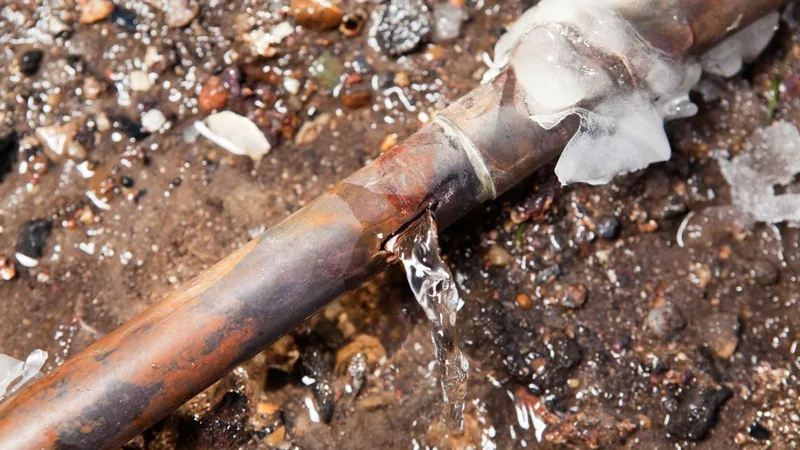
Does Homeowners Insurance Cover Water Damage in Claremore?
Which water losses standard policies usually cover, which they usually exclude, and what Oklahoma's insurance regulator says about flood and sewer backup.
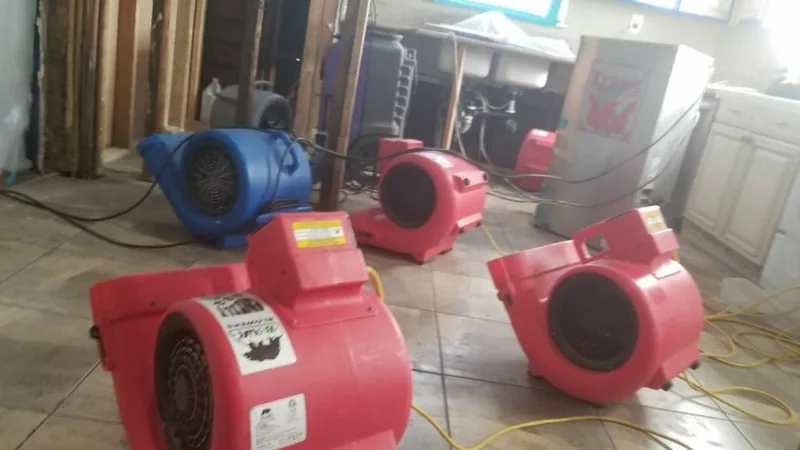
Water Damage Insurance Claims in Claremore: Steps to Follow
What to photograph, what to write down and how drying records support a claim, from the first hour through the adjuster's visit.
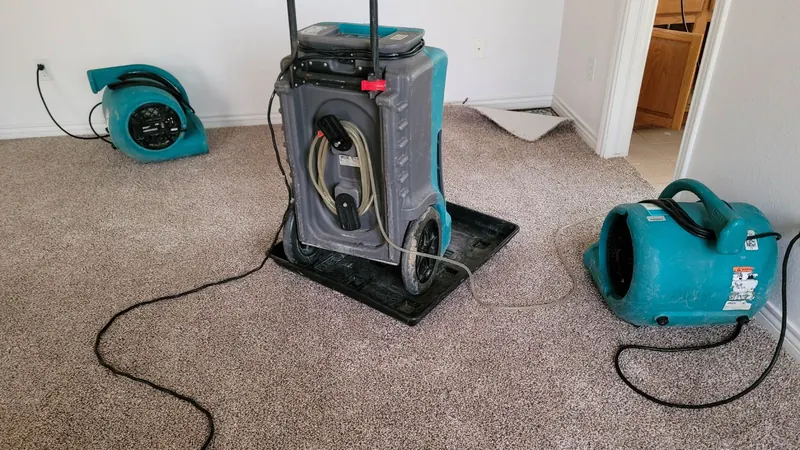
What Is Water Mitigation? A Claremore Homeowner Guide
The first stage of any water loss explained in plain words: what gets done, in what order, and why it matters before repairs begin.
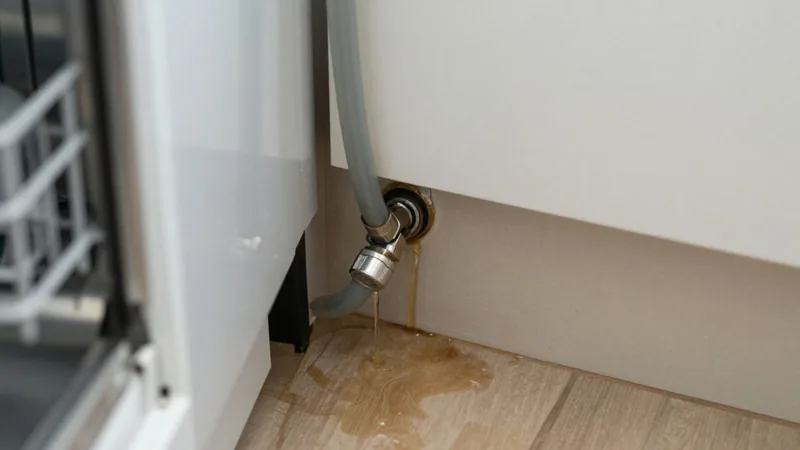
Should You File an Insurance Claim for a Small Water Leak?
How deductibles, claim records and the real repair scope shape the choice between paying out of pocket and filing.

Water Damage Categories 1, 2 and 3 Explained
Clean, gray and black water, how a category can get worse with time, and why the category decides what can be saved.
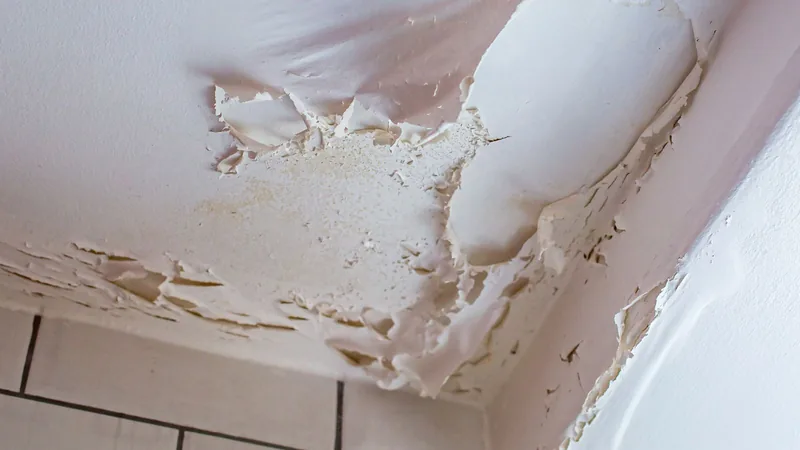
How to Tell if Water Damage Is Old or New
Stains, texture, smell and moisture readings that separate a recent leak from one that has been going for months.
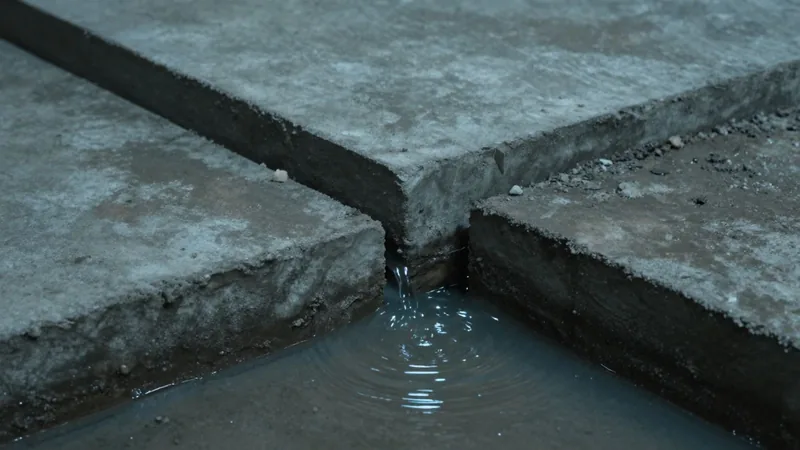
How to Find a Hidden Water Leak in Your Home
Meter checks, wall and floor clues and the point where it is time to call a plumber or a restoration crew.
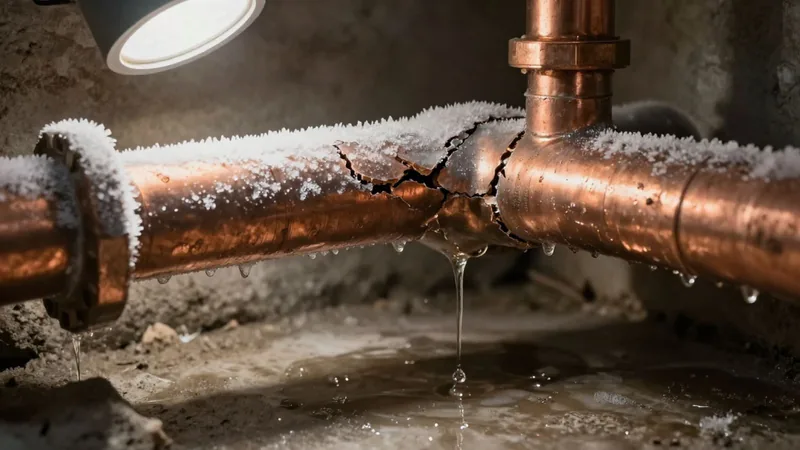
How to Prevent Water Damage When You Leave Home
A short pre-trip routine covering shutoff valves, winter heat, appliances and a person who can check on the house.
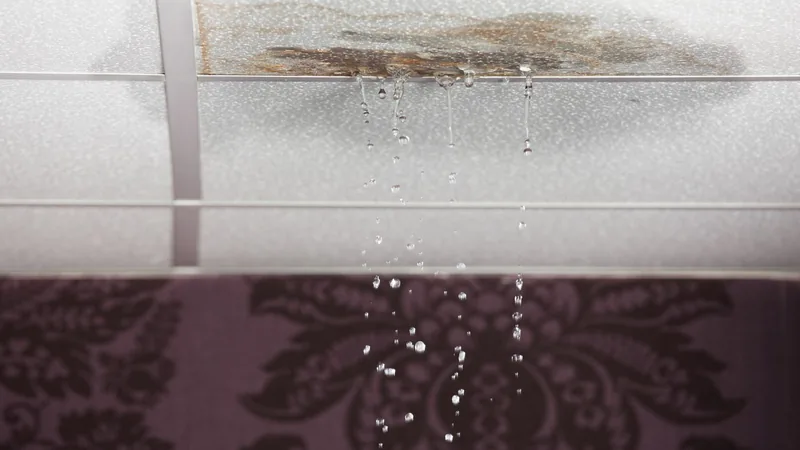
What to Ask a Water Damage Restoration Company Before You Hire
Questions about licensing, equipment, moisture records and written scope that separate a clear plan from a vague one.
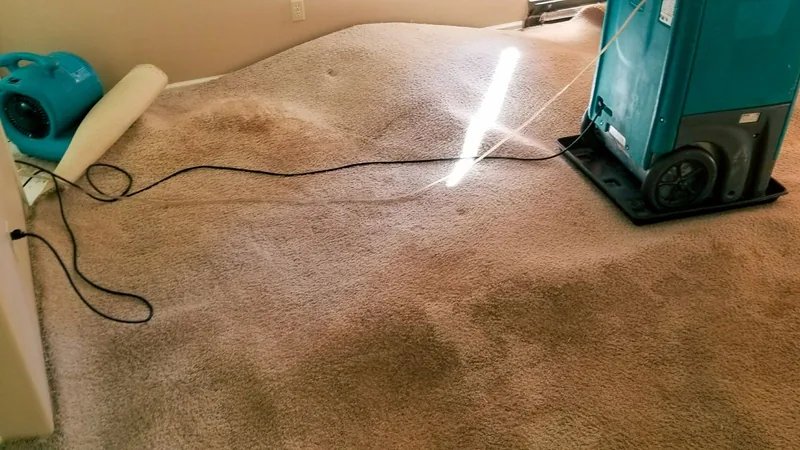
What Homeowners Can Dry Themselves and What Needs a Professional
A practical dividing line between a spill you can handle with towels and fans and a loss that needs measured drying.
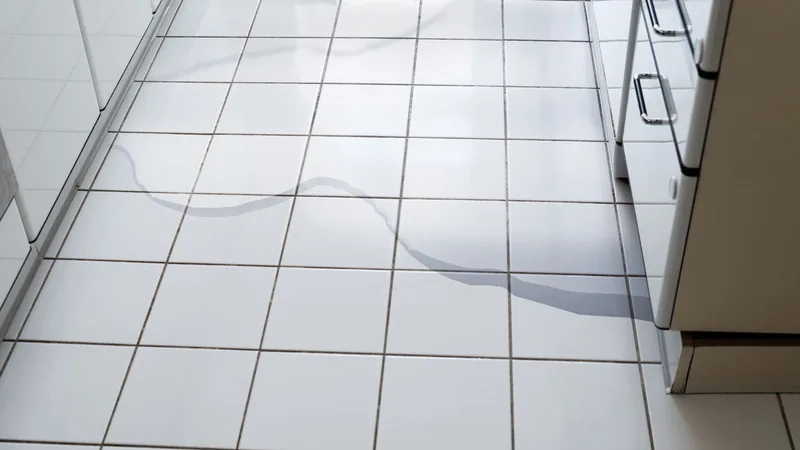
What to Keep, Clean or Throw Away After Water Damage
A sorting guide for furniture, bedding, clothing and household items, based on how contaminated the water was.
How to Save Photos and Important Documents After Water Damage
Gentle handling, air drying and freezing steps for wet photos and paper records, plus when to ask a specialist.
What Water Damage Does to Electronics and When to Unplug
Safe first steps around outlets, panels and wet devices, and why powering something on too soon can ruin it.
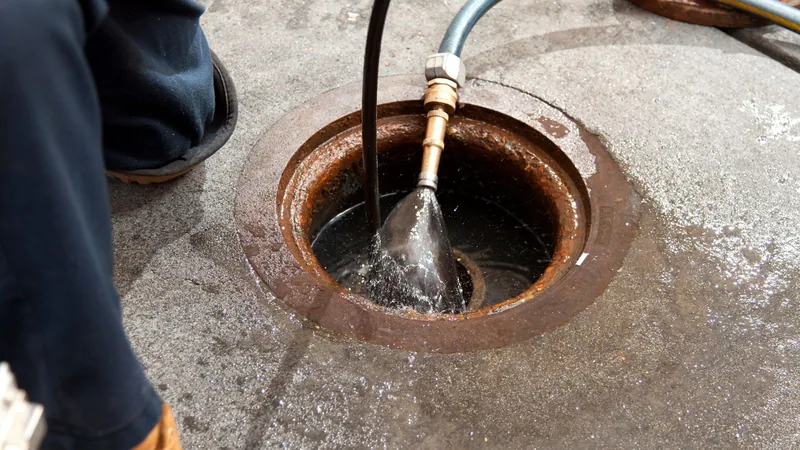
Water Damage Restoration vs Remediation: What Is the Difference?
How the terms overlap and differ in practice, and how to read them on an estimate or an insurance document.
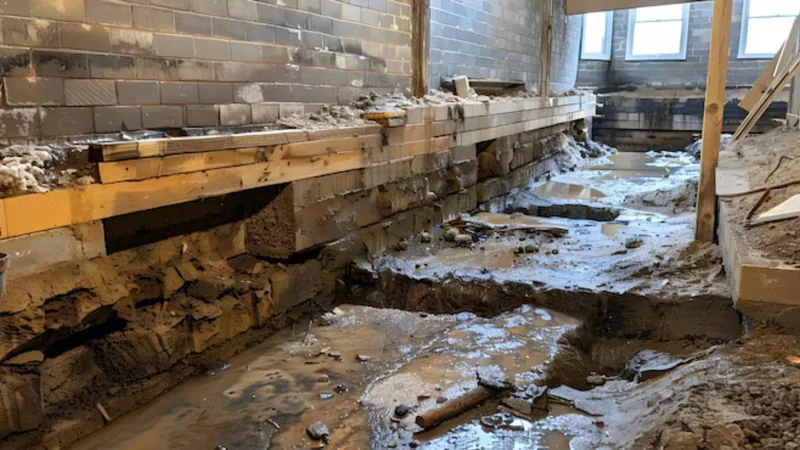
What a Water Damage Restoration Estimate Should Include
The line items, assumptions and exclusions that make an estimate easy to compare and easy to submit to an insurer.