
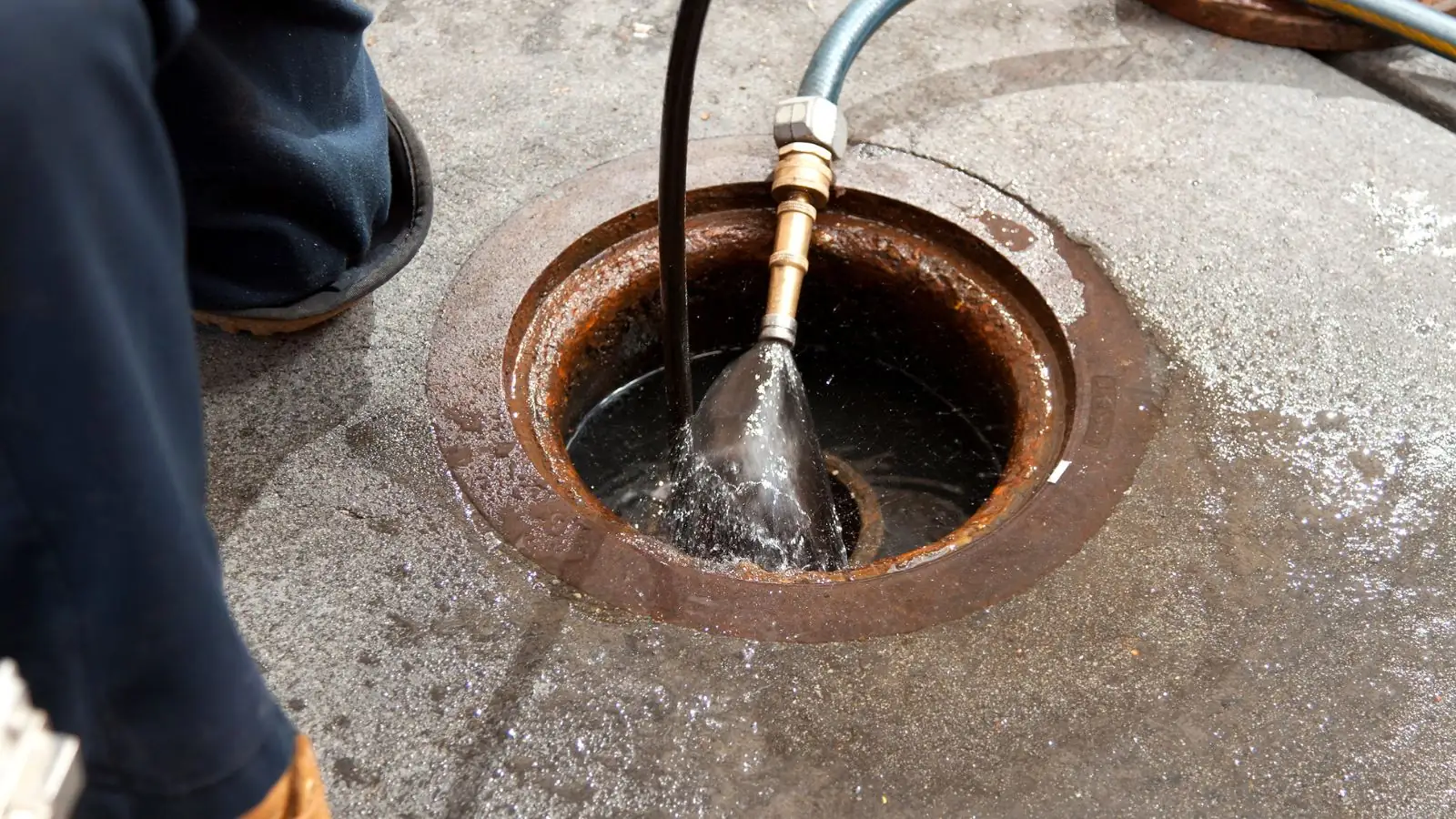
Smelly Water Coming Up Your Basement Drain?
Dark, foul-smelling water rising from a floor drain, tub or toilet is the symptom people search for when a sewer line backs up. The trade term is Category 3 water, the most contaminated class in the water damage standards.
The sections below explain what that means for cleanup and what you should and should not do while you wait.
If Sewage Is Still Coming Up
Stop using water
Do not flush, run the washer or use sinks, since every drain adds to the backup.
Keep people out
Children, pets and anyone with a weakened immune system should leave the area.
Do not touch it
Avoid contact with the water and wear waterproof boots and gloves if you must enter.
Call the line
Tell the dispatcher what drains are affected and how far the water has spread.
What Category 3 Water Means
Sewage carries bacteria and other pathogens. Materials it soaks, such as carpet, pad, insulation and drywall, are generally removed rather than dried, because they cannot be reliably cleaned.
Hard surfaces and framing that stay are cleaned and treated with antimicrobial products. We use protective gear, containment where needed and proper disposal for contaminated materials.
| Category | Source examples | Typical approach |
|---|---|---|
| Category 1 | Supply line, clean source | Dry in place if caught early. |
| Category 2 | Dishwasher or washer discharge | Extract, clean, dry, remove some porous materials. |
| Category 3 | Sewage, river or flood water | Remove porous materials, clean and sanitize. |
Why Sewer Lines Back Up Here
The Claremore Public Works Authority operates the city's wastewater system. A 2026 Oklahoma Water Resources Board release describes the authority's work on aging cast-iron mains and drainage deficiencies, which are common age-related issues in older utilities.
A backup can start in the city main or in your own line, and a plumber with a camera can tell which. If it is the main, tell the city. If it is your line, a plumber clears it, and we handle the contaminated water.
How We Clean Up Sewage
- Contain and protectWe set up protective gear and limit spread to clean areas.
- Extract and removeContaminated water is pumped out and ruined materials are removed.
- Clean and sanitizeSurfaces that stay are cleaned and treated with antimicrobial products.
- Dry and verifyDehumidifiers and air movers dry the structure, and readings confirm completion.
What the Assessment Looks Like
The technician puts on protective gear before entering. The first look covers which drains backed up, how far the water spread and which materials it touched, and the answer decides what is removed.
You then hear a plain-words explanation of the plan, including what leaves the house and what is cleaned. Scope and price are explained before work starts.
A Basement Backup: A Typical Call
A common call is a basement floor drain that fills with dark water after a heavy rain or a main clog. The finished side of the basement may be carpeted, and the water reaches the wall bases within minutes.
The crew removes the water, pulls the carpet and pad, cuts drywall above the water line where needed and sanitizes what remains. A plumber then finds the cause, which is why we ask you to keep the drains unused until it is diagnosed.
What to Do Before a Crew Arrives
These steps keep people safe and limit the loss while you wait. Do only what is safe, and skip any step that means standing in water near power.
- Stop the water at its source if you can reach the shutoff safely, and leave electrical panels alone if the floor around them is wet.
- Keep children and pets out of the wet area, since floors can be slick and standing water may carry contamination.
- Do not walk on a sagging ceiling or run a household vacuum on wet carpet.
- Move small valuables and papers to a dry room, and take photos of the damage before you move anything else.
What Affects Sewage Cleanup Cost
Area affected
More rooms mean more removal and more sanitizing.
Materials
Carpet, pad and drywall are removed and replaced.
Disposal
Contaminated materials require proper handling.
Duration
Longer contact with sewage increases what must be removed.
Insurance note
The Oklahoma Insurance Department notes that most homeowners policies exclude sewer and water backup unless an endorsement adds it. Check your policy, and ask your agent about adding backup coverage.
We serve all Claremore ZIP codes, including 74017, 74018 and 74019. Our flood damage page explains how outside water is handled when contamination comes from the yard rather than the drain.
Frequently Asked Questions
Do you handle sewage backup emergencies at night or on weekends in Claremore?
Yes. The line at (918) 306-8113 is answered 24 hours a day, including nights, weekends and holidays. The dispatcher will tell you what to do while you wait.
What does a sewer backup smell and look like?
Dark or cloudy water with a strong sewage odor, often from a floor drain, tub or toilet. If you see or smell this, keep people out and call.
Can I clean up sewage myself?
It is not recommended. Sewage carries pathogens and soaks porous materials, so protective gear and proper disposal matter.
Does insurance cover sewer backup?
Most homeowners policies exclude it unless an endorsement is added. Check your policy.
Do you unclog the drain?
No. A plumber clears the line. We handle the contaminated water and sanitizing.