
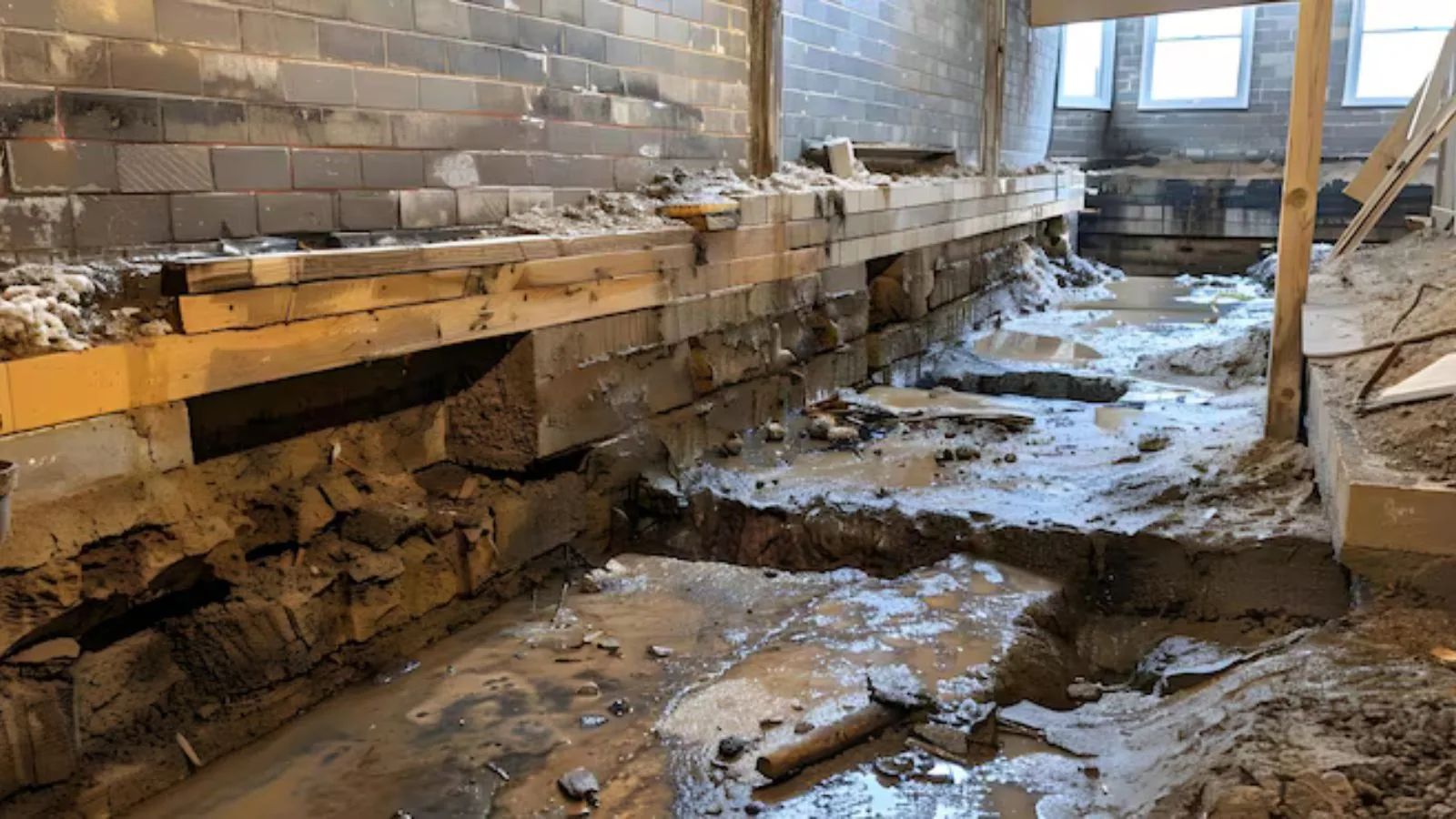
If Water Is Still Spreading
Every hour that water sits on a floor, it travels further. It wicks up drywall, seeps under baseboards and works into the subfloor, and what started as a puddle becomes a wet room. Extraction is the step that stops that travel, which is why it comes before any drying equipment goes in.
Call first, then use the minutes before a crew arrives well. Stop the source if you can, move small valuables and electronics out of the water, and keep everyone out of rooms where water touches outlets or power strips.
- Stop the sourceClose the shutoff valve for a pipe or appliance. If the water is coming from outside, do not wade into it.
- Protect the powerTurn off breakers to wet rooms only if the panel is dry and you can reach it safely. Otherwise wait for help.
- Photograph the waterTake photos and video of the water line and affected items before anything moves. Your insurer may ask for them.
- Call the lineGive the dispatcher your address, how deep the water is and what caused it.
How Extraction Is Done
Small amounts of water can be lifted with wet vacuums. Larger volumes call for portable pump-out equipment or truck-mounted extractors, and carpeted rooms get a weighted extraction wand that pulls water out of the pad as well as the surface.
Extraction does not finish the job. A floor that looks dry after extraction still holds moisture in the subfloor and wall bottoms, so the next stage is structural drying and dehumidification with moisture readings to prove it.
Choosing the Approach by Situation
| Situation | Typical method | What follows |
|---|---|---|
| Shallow water on hard flooring | Wet vacuum and squeegee | Air movers along the floor. |
| Soaked carpet and pad | Weighted extraction wand, pad removal if needed | Dehumidifier and air movers. |
| Standing water over a few inches | Submersible pump, then wet vacuum | Flood cut check and drying plan. |
| Water in a crawl space or basement | Pump-out, then extraction | Dehumidification and moisture mapping. |
Which row fits depends on the water source. Water from a failed supply line is usually clean when it starts, while water that came up through a floor drain or in from the yard is not, and that changes what has to be thrown away.
What Affects the Cost of Water Extraction
Depth and volume
More water means longer pump-out and more extraction time.
Square footage affected
Larger wet areas need more equipment and more drying afterward.
Water category
Gray or black water adds protective gear, disposal and sanitizing.
Access
Finished basements, tight crawl spaces and stairs change how equipment is staged.
We explain the scope and how the price is set before work starts, and we do not quote a flat number over the phone for a loss we have not seen.
A note on insurance
Policies often cover sudden and accidental water, such as a burst supply line, and often exclude flooding from outside. Check your policy, take photos before extraction, and keep drying records because your insurer may ask for them.
What an Assessment Visit Looks Like
When the crew arrives, the first few minutes are a walk-through. The technician looks at where the water is deepest, checks that the source is off and asks what you have already moved or thrown away.
Moisture meters and a thermal camera then show how far the water reached beyond what you can see. You hear the plan in plain words before any equipment starts, including what the extraction will cover and what drying will follow.
A Few Real-World Scenarios
A bathroom leak that brought down part of a ceiling is a common emergency call. Water collects on the floor below and in the cavity above, so both are extracted, and the fallen drywall is cleared before the room can be dried.
Another frequent call comes after heavy rain, when a homeowner wants to know about renting air movers and dehumidifiers to dry a wet room. Loose equipment is not what we provide, because the value is in placing it and reading the meters, and we explain how that works on the call.
The vocabulary used here for water categories and drying follows ANSI/IICRC S500, the published industry standard for professional water damage restoration. We name it so you can look it up, and it is a reference standard rather than a certification claim.
Extraction Across Our Service Area
We serve all Claremore ZIP codes, including 74017, 74018 and 74019, and the nearby towns of Oologah, Catoosa, Inola and Collinsville. Rain-driven water is the most common reason for an extraction call after a spring storm, and our flood damage page explains how surface water is handled differently.
Standing water right now?
Call the line and tell the dispatcher how deep it is and where it started.
Frequently Asked Questions
Do you handle water extraction emergencies at night or on weekends in Claremore?
Yes. The line at (918) 306-8113 is answered 24 hours a day, including nights, weekends and holidays. The dispatcher will tell you what to do while you wait.
How is water extraction different from drying?
Extraction removes the liquid water with pumps and vacuums. Drying removes the moisture that remains in materials, using air movers and dehumidifiers, and it takes days rather than hours.
Can I remove the water myself with a wet vacuum?
For a thin layer on a hard floor, yes. Deeper water, wet carpet pad or water that may be contaminated should be handled by a crew with the right equipment and protection.
Will you remove wet carpet and pad during extraction?
Sometimes. Clean-water carpet can often be extracted and dried in place, but pad or carpet touched by contaminated water is usually removed. The technician explains which applies after inspecting.
Do you extract water from a crawl space?
Yes, crawl space water is covered, and the crawl space page explains the extra steps for insulation and vapor barriers.