
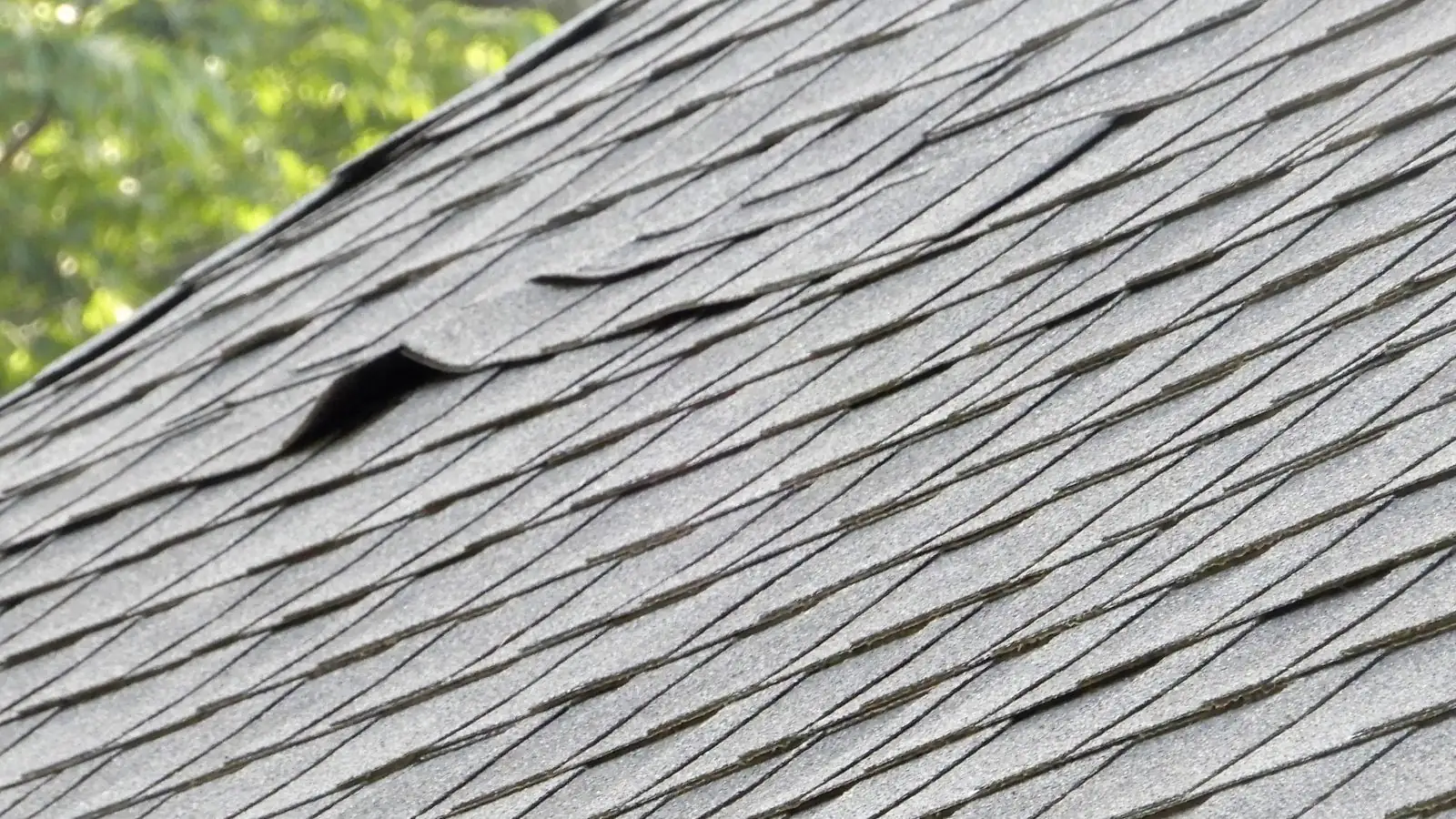
If Water Is Still Coming In After the Storm
Stay out of rooms with sagging ceilings, downed wires or water near outlets. If you can safely do it, place a tarp or plastic over an opening and photograph everything before moving items.
Then call. Water that came in with the storm often continues to run along rafters and walls for hours after the rain stops.
Storm Water Around Claremore
NWS Tulsa documented flash flooding on May 1, 2009, with 2 to 5 inches of rain across Rogers County by noon and flooding in Claremore, including Highway 66. In May, Tulsa's normal rainfall is 5.73 inches, so heavy spring rain is part of life here.
That means gutters, window wells and low doors get tested regularly, and storm damage is often a mix of roof water and ground water.
What Storms Bring In
| Source | Where it enters | Typical response |
|---|---|---|
| Wind-driven rain | Windows, doors and eaves | Dry walls and trim. |
| Roof opening from hail or wind | Roofline and ceilings | Tarp, dry ceiling and insulation. |
| Surface runoff | Low doors and basements | Extract and treat as contaminated. |
| Clogged gutter overflow | Fascia, walls and foundation | Dry walls and check basement. |
Runoff that enters at ground level is not clean, and our flood damage page explains how that changes the plan.
How We Clean Up After a Storm
- DocumentWe photograph and record the water and damage.
- Extract and removeWater is pumped and wet materials are removed.
- DryAir movers and dehumidifiers dry walls, floors and ceilings.
- Plan repairsWe record what a contractor and roofer need to address.
What an Assessment Looks Like
After a storm, the technician checks where the water entered and follows it through the building. A moisture meter and thermal camera show wet insulation and drywall that cannot be seen.
You hear in plain words which areas will be dried and which will be opened, and scope and price are explained before work begins. Photographs taken at this stage help your insurance claim.
Roof, Window and Door Entry
Water from a storm often comes in through more than one place. A lifted shingle may let water into the attic, while wind-driven rain can push past a window frame or under a door at the same time.
Make a list of every wet spot you can find, even small ones, and share it with the technician. A small stain is sometimes the only visible sign of a larger wet area behind it.
Hail, Wind and Debris
Severe storms bring more than rain. Hail can crack shingles and skylights, wind can lift roof edges and trees can open a hole in a roof or wall.
Safety comes first. Stay out of rooms under damaged ceilings, keep clear of downed lines and do not climb onto a damaged roof.
A tarp is a temporary fix, and a roofer provides it. Once the opening is covered, we dry what the storm wet and document it.
Homes near Dog Creek and the lake face runoff as well as roof leaks, and our page for the Claremore Lake area covers past storms and what they mean for cleanup.
What to Do Before a Crew Arrives
These steps keep people safe and limit the loss while you wait. Do only what is safe, and skip any step that means standing in water near power.
- Stop the water at its source if you can reach the shutoff safely, and leave electrical panels alone if the floor around them is wet.
- Keep children and pets out of the wet area, since floors can be slick and standing water may carry contamination.
- Do not walk on a sagging ceiling or run a household vacuum on wet carpet.
- Move small valuables and papers to a dry room, and take photos of the damage before you move anything else.
The vocabulary used here for water categories and drying follows ANSI/IICRC S500, the published industry standard for professional water damage restoration. We name it so you can look it up, and it is a reference standard rather than a certification claim.
What Affects Storm Cleanup Cost
Entry point
Roof water reaches more rooms than a door leak.
Contamination
Ground water adds sanitizing.
Materials
Insulation and drywall add scope.
Timing
Waiting increases damage.
Insurance note
Wind and hail damage is often covered by homeowners policies, while flooding is not. Note when the storm happened, photograph the damage and keep temporary repair receipts.
We serve all Claremore ZIP codes, including 74017, 74018 and 74019, and for roof-sourced water see our ceiling page.
Frequently Asked Questions
Do you handle storm water damage emergencies at night or on weekends in Claremore?
Yes. The line at (918) 306-8113 is answered 24 hours a day, including nights, weekends and holidays. The dispatcher will tell you what to do while you wait.
Should I wait for the adjuster before cleanup?
No. Protect the property and start mitigation. Document everything so your adjuster can see the loss.
Does insurance cover storm water damage?
Wind and hail damage are often covered. Flooding usually needs a flood policy.
Can you tarp the roof?
We deal with interior water and drying. A roofer handles roof repairs and tarping.
What if the water came in at the doors?
That can be surface water, which is handled as contaminated. The technician will assess it.