
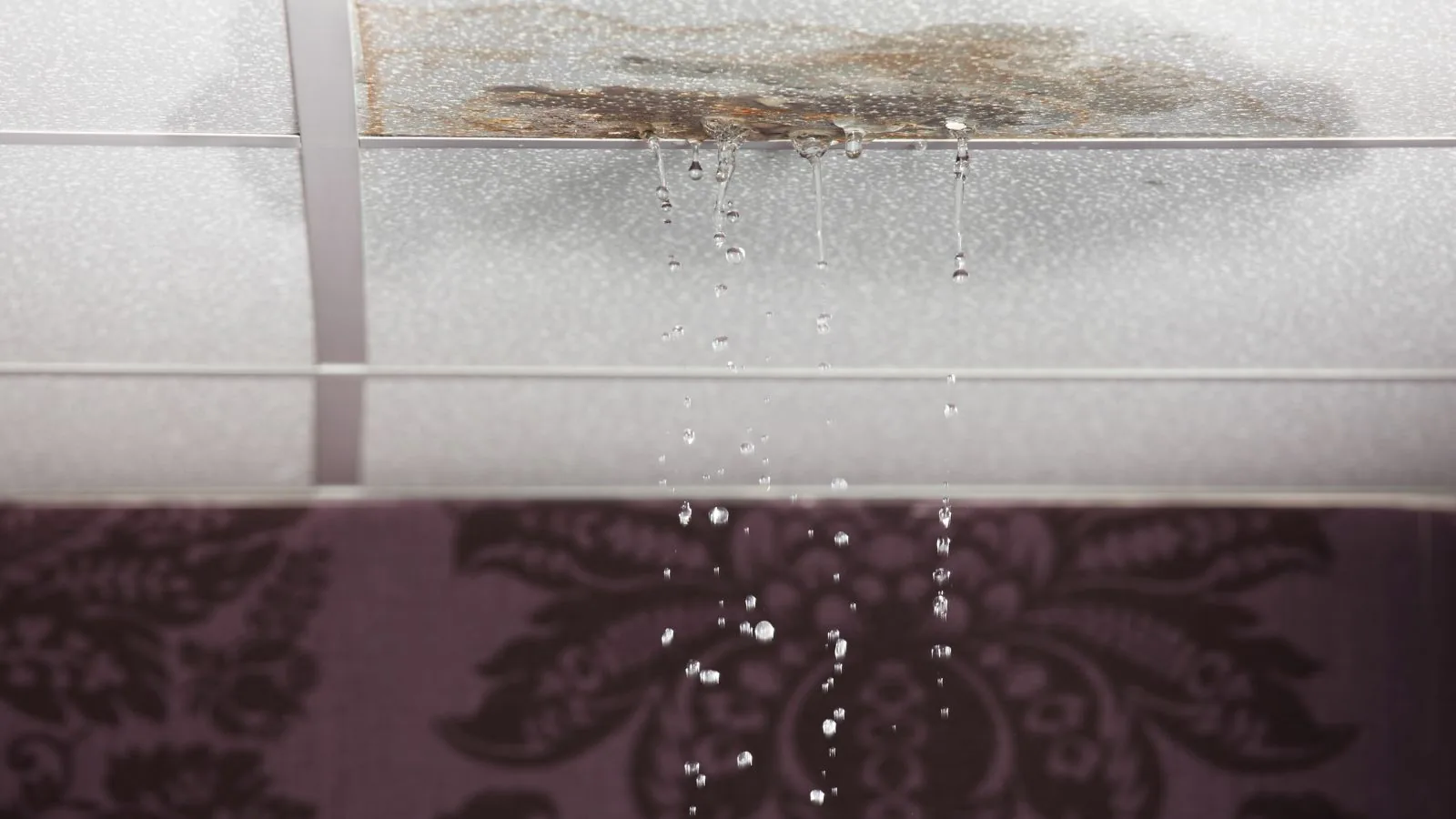
If Water Is Still Spreading in the Building
Shut off the water supply to the affected area, protect electronics and inventory, and turn off power only if it is safe. Then call, since the quicker the water is controlled, the smaller the loss.
Commercial buildings vary from a single retail unit to a multi-tenant property, and the plan depends on the layout and who occupies it.
Commercial Losses Are Different
| Factor | Commercial | Residential |
|---|---|---|
| Downtime | Revenue loss while closed | Disruption to living space. |
| Occupants | Tenants, staff and customers | Household. |
| Records | Often needed for business claims | Needed for homeowners claims. |
| Building systems | Larger HVAC and electrical | Smaller systems. |
We plan work to limit downtime where possible. That can mean phasing the job, drying the sales floor first or keeping a back office open while we work in another part of the building.
Common Commercial Water Sources
Roof and ceiling leaks
Flat roofs and rooftop units can leak into ceilings and stock rooms.
Sprinkler and supply lines
A failed fitting can run through a ceiling tile and onto the floor.
Restroom and kitchen plumbing
Shared plumbing affects neighboring spaces.
Storm and runoff intrusion
Doors and low points take in water in heavy rain.
How We Handle a Commercial Loss
- Assess and documentWe record the damage, the source and affected tenants.
- Extract and protectWater is removed and inventory or equipment is moved when practical.
- Dry the structureAir movers and dehumidifiers are sized for larger spaces.
- ReportRecords support insurance and property manager reporting.
Large losses involve many materials. Our storm water damage page covers the process when weather is the cause, and our structural drying service explains the equipment.
What an Assessment Looks Like
A technician walks the affected areas with the owner or property manager, noting what is wet, who occupies it and what can stay open. Meters and a thermal camera map the moisture, and photographs record it.
You hear the plan in plain words, including how the work could be phased to limit downtime. Scope and price are explained before work begins.
Vacant Units and Multi-Tenant Buildings
A vacant unit can flood without anyone noticing, and water can pass through shared walls and ceilings into neighboring spaces. The first step is to find where the water started and where it went, since tenants next door may be affected.
Property managers often need a written record for owners and insurers. Ask for the moisture readings, photographs and list of removed materials as the job moves along.
Documentation for Owners and Insurers
A commercial loss usually involves more than one reader. The owner wants a timeline, the insurer wants a scope, and a tenant may want to know when the space reopens.
We keep moisture readings, photographs and a list of materials removed so one record serves all of them. If a property manager needs a daily status, ask for it when the job starts.
Inventory and equipment are also part of the picture. If stock got wet, photograph it before it is moved, and your insurer may ask for a list.
Older downtown storefronts and mixed-use buildings have their own water patterns, which we describe on our page for Historic Downtown Claremore.
What to Do Before a Crew Arrives
These steps keep people safe and limit the loss while you wait. Do only what is safe, and skip any step that means standing in water near power.
- Stop the water at its source if you can reach the shutoff safely, and leave electrical panels alone if the floor around them is wet.
- Keep children and pets out of the wet area, since floors can be slick and standing water may carry contamination.
- Do not walk on a sagging ceiling or run a household vacuum on wet carpet.
- Move small valuables and papers to a dry room, and take photos of the damage before you move anything else.
The vocabulary used here for water categories and drying follows ANSI/IICRC S500, the published industry standard for professional water damage restoration. We name it so you can look it up, and it is a reference standard rather than a certification claim.
What Affects Commercial Restoration Cost
Square footage
Bigger buildings need more equipment.
Occupancy
Working around tenants affects scheduling.
Materials
Commercial finishes vary widely.
Systems
HVAC and electrical may need review.
Insurance note
Commercial policies differ from homeowners policies and may include business interruption coverage. Review your policy, and ask your agent what documentation is required.
We serve commercial properties in all Claremore ZIP codes, including 74017, 74018 and 74019, and nearby towns such as Catoosa, home to the Tulsa Port of Catoosa.
Frequently Asked Questions
Do you handle commercial water damage emergencies at night or on weekends in Claremore?
Yes. The line at (918) 306-8113 is answered 24 hours a day, including nights, weekends and holidays. The dispatcher will tell you what to do while you wait.
Can you work while my business stays open?
Often, in part. We plan around your hours and the layout, but safety comes first.
Do you work with property managers?
Yes. We provide documentation that managers and insurers commonly request.
Does commercial insurance cover water damage?
Many commercial policies cover sudden water damage, and some include business interruption. Check your policy.
What size buildings do you handle?
Small to mid-size commercial properties such as shops, offices and rentals. Call to discuss larger buildings.