
Start With the Numbers
Your deductible is the amount you pay before insurance pays. If a repair would cost less than or close to your deductible, a claim may return little or nothing.
Get a written scope of the damage first, so you know the real size of the repair before deciding.
Things to Weigh
| Factor | Points toward filing | Points toward paying yourself |
|---|---|---|
| Repair cost versus deductible | Well above the deductible | At or below the deductible. |
| Damage extent | Hidden or spreading | Contained and dry. |
| Cause | Sudden and accidental | Slow leak or maintenance issue. |
| Claim history | Few prior claims | Recent claims already on record. |
No single row decides it. Talk to your agent about how a claim may affect your premium or renewal, and ask what must be reported.
When a Small Leak Is Not Small
A small visible stain can hide wet insulation, soaked subfloor or damp framing. A leak that looks like a coffee-ring on the ceiling may have run for weeks behind it.
Moisture meters and a thermal camera show the true extent. If readings show water spread across a wall or floor, the repair scope may be larger than the stain suggests. Our ceiling water damage page shows how a hidden source is traced.
Slow Leaks and Coverage
Many policies treat long-running leaks differently from sudden failures. If a pipe has dripped for months, damage may be considered gradual, and gradual damage is often excluded.
That is why finding a leak early matters, and why the date you first noticed the damage should be recorded. Notes and photos made at the time are far stronger than memory later.
Local note: pre-existing damage
The Oklahoma Insurance Department cautions that pre-existing damage uncovered by a storm may not be covered. Be candid about the age and condition of what failed, because that conversation will happen with the adjuster either way.
Fix the Water First
Whether or not you file, the water has to be stopped and the structure dried. Drying that is skipped to save money often becomes a larger bill later, when swollen boards or stained drywall have to be replaced.
A plumber repairs the leak, and a restoration crew handles the wet materials. Our structural drying page explains the work.
Three Short Scenarios
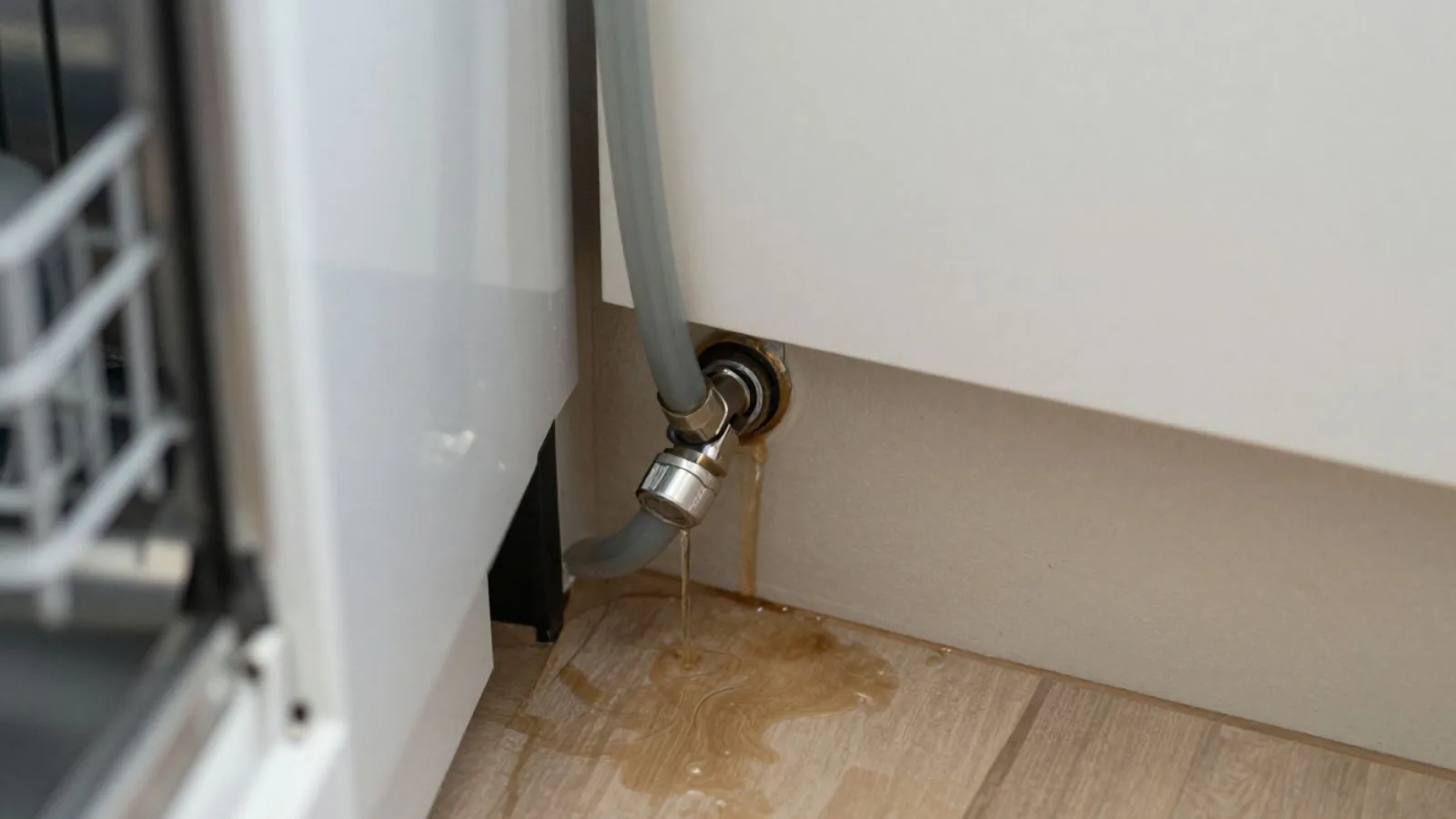
A dishwasher hose drips onto a kitchen floor and the damage is limited to a few tiles. The repair costs less than the deductible, so paying yourself makes sense.
A pinhole leak in a bathroom supply line wets the wall behind the vanity, and the readings show moisture across the full wall. The repair scope is larger than it looked, and a claim is worth discussing.
A toilet overflow soaks the carpet in one bedroom. The carpet and pad may be dried in place, and the cost is moderate, so the deductible and your claim history decide it.
Keep Records Even If You Do Not File
If you pay for a repair yourself, keep photos, invoices and the plumber's note. A later problem in the same spot, or a future sale, is easier to explain with a record.
Also note the date of the leak and the date it was fixed. If the same damage returns, those dates help sort out what is new and what was already addressed.
Questions to Ask Your Agent Before Deciding
- What is my deductible for water damage?
- Does a claim that is paid affect my renewal?
- Does an inquiry without a claim go on my record?
- What happens if I find more damage after repairs begin?
- Is the cost of finding the leak covered?
Some insurers record an inquiry even if no claim is filed, and others do not. Asking in a general way, without naming your address, is one way to learn the policy.
You will make a better decision with real numbers, so get the scope in hand before you call.
If You Decide Not to File
Paying out of pocket does not mean cutting corners. Get the leak fixed by a plumber, dry the area properly and keep the paperwork.
If you later discover damage you missed, you can still contact your insurer, but delay may make it harder. Another reason to dry carefully is that hidden moisture is the main source of later surprises.
Whatever you choose, the dates and photos you keep today are the evidence you will want if the situation changes.
Talking to Your Agent Without Filing
You can ask general questions about how claims work, how deductibles apply and what must be reported. A clear idea of the rules helps you decide with confidence.
The vocabulary used here for water categories and drying follows ANSI/IICRC S500, the published industry standard for professional water damage restoration. We name it so you can look it up, and it is a reference standard rather than a certification claim.
A Simple Way to Decide
- Stop the leak and photograph everything.
- Get a written scope with moisture readings.
- Compare the scope to your deductible.
- Ask your agent how a claim could affect your policy.
- Decide with those facts, not with the stain alone.
Homeowners in Inola and Collinsville face the same choice, and the numbers are the same everywhere.
Frequently Asked Questions
Should I file a claim for every leak?
Not necessarily. Compare the repair scope to your deductible and talk to your agent.
Will a claim raise my premium?
It can, depending on your insurer and history. Ask your agent before filing.
Do I have to report a leak I fix myself?
Rules vary by policy. Ask your agent what must be reported.
Can drying prevent a larger claim?
Often yes, because dry materials do not need replacing as often.
Where can I get a written scope?
A restoration company can provide one after inspecting and taking moisture readings.