
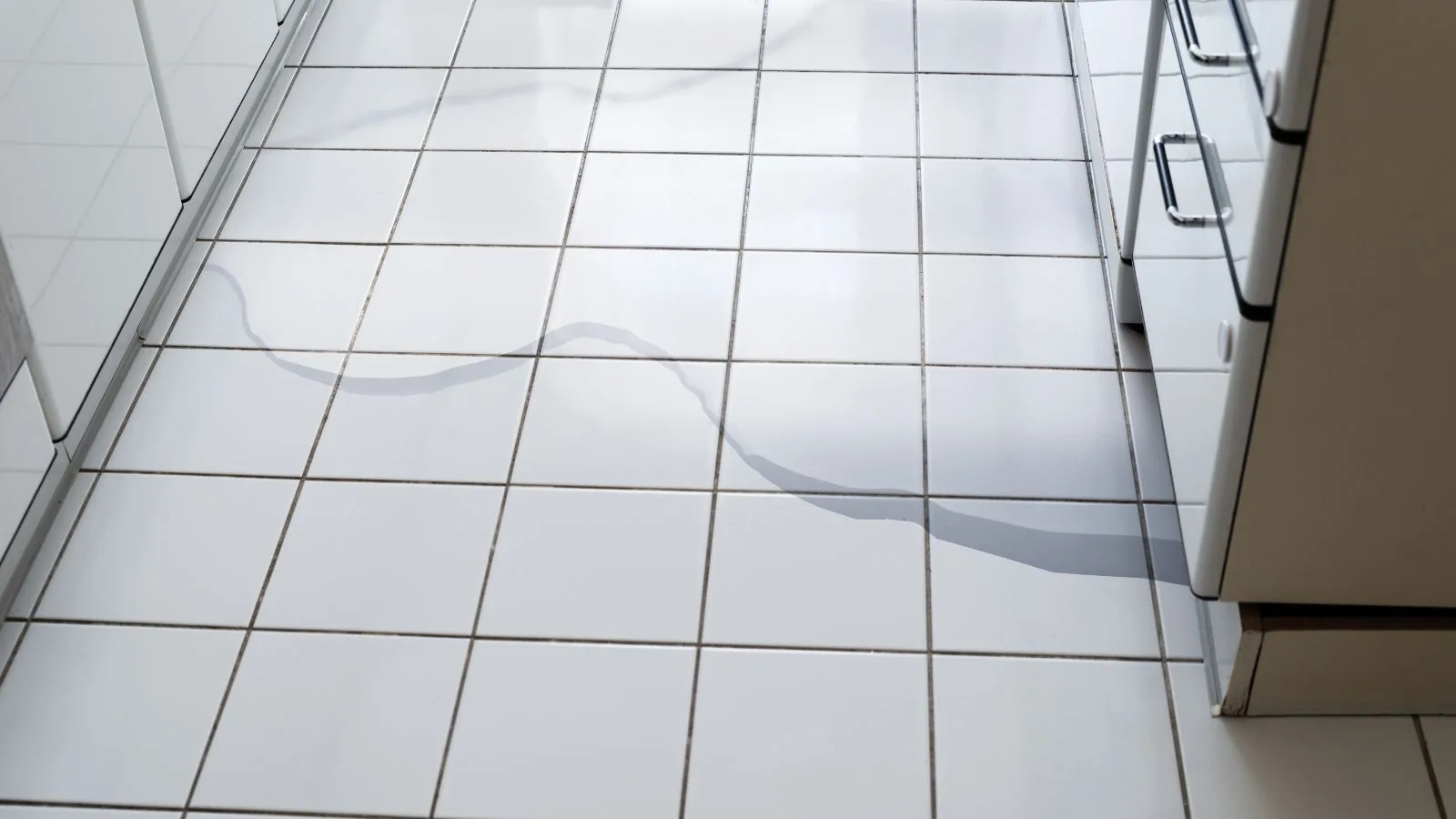
Start With the Water Source
The same sofa can be saved after a clean supply-line leak and discarded after a sewage backup. The source and category of the water decide what is reasonable to keep.
If you do not know the source, treat the water with caution until a technician says otherwise.
A Sorting Guide
| Item | Clean water | Contaminated water |
|---|---|---|
| Solid wood furniture | Often dried and kept | Cleaned if surfaces are sound. |
| Upholstered furniture | Sometimes cleaned and dried | Usually discarded. |
| Mattresses and pillows | Often discarded if soaked | Discarded. |
| Clothing and linens | Washed and dried | Washed in hot water or discarded. |
| Food and medicine | Discard if exposed | Discard. |
| Hard plastics and metal | Cleaned and kept | Cleaned and sanitized. |
These are tendencies, not rules. A technician or your insurer can help with specific items.
Items to Photograph Before Throwing Out
Before discarding anything, photograph it and note what it was. If you plan to file a claim, your insurer may ask for a list with approximate value.
Keep an item until the adjuster has seen it unless it is a health hazard. Our flood damage page and sewage backup page explain why some materials cannot be cleaned.
Porous Versus Non-Porous
Porous materials absorb water, and contaminated water goes deep. Carpet, pad, insulation, mattresses and upholstered furniture fall in this group.
Non-porous items such as glass, metal and sealed hard plastic can usually be cleaned and sanitized even after contamination.
Local note: flood water is contaminated water
The Verdigris River gauge near Claremore has a flood stage of 36 feet, and it reached 40.74 feet on June 2, 2019, according to the National Weather Service in Tulsa. Items soaked by river water should be treated as contaminated, and porous ones are generally not worth saving.
Cleaning Safely
- Wear gloves and boots when handling wet items.
- Wash clothes and linens separately in hot water.
- Do not mix cleaning chemicals.
- Ventilate while cleaning.
- Discard food that touched water, including canned goods in some cases.
Furniture Case by Case
A solid wood dresser that sat in clean water for an hour can often be dried and used. A particleboard bookcase that has swollen will not recover, and an upholstered chair soaked by gray water is usually not worth saving.
If you are unsure, photograph the piece and ask your insurer or a restoration company. Some furniture has value that makes professional cleaning worthwhile.
Disposal and Local Pickup
Wet items are heavy, and large amounts of debris add up fast. Ask your city or waste hauler about rules for bulk pickup, and do not leave contaminated debris where children or pets can reach it.
Keep a list of what you discard, with photos where possible. If you file a claim, the list supports it.
Kids' Items, Mattresses and Rugs
Children's toys can be cleaned if they are hard plastic, and plush toys that touched contaminated water should be discarded. Mattresses that were soaked are usually not worth saving, because they dry slowly and can hold odors.
Area rugs depend on the material and the water. A synthetic rug that got wet from a clean source may be cleaned and dried outside, and a wool rug that sat in water may need a specialist.
If you are not sure, photograph it and set it aside until you have spoken to your insurer or a technician.
A Room-by-Room Approach
Work through one room at a time. Move items to a dry area, sort them into keep, clean and discard piles and photograph each pile.
Start with the items that can cause harm, such as food and medicine, then move to furniture and clothing. Leave valuable or sentimental items for last, so you can give them time and attention.
If the job feels overwhelming, ask a friend or family member to help. Having a second person to talk through decisions makes a big difference.
Clothing, Linens and Laundry
Clothes that were in the water can be washed in the hottest water the fabric allows, with detergent. If the water was sewage or flood water, many people discard items that are not valuable and clean the ones that are.
Do not mix contaminated laundry with clean laundry, and wash your hands after handling it. Dry cleaning may be an option for delicate items.
What to Do Before a Crew Arrives
These steps keep people safe and limit the loss while you wait. Do only what is safe, and skip any step that means standing in water near power.
- Stop the water at its source if you can reach the shutoff safely, and leave electrical panels alone if the floor around them is wet.
- Keep children and pets out of the wet area, since floors can be slick and standing water may carry contamination.
- Do not walk on a sagging ceiling or run a household vacuum on wet carpet.
- Move small valuables and papers to a dry room, and take photos of the damage before you move anything else.
The vocabulary used here for water categories and drying follows ANSI/IICRC S500, the published industry standard for professional water damage restoration. We name it so you can look it up, and it is a reference standard rather than a certification claim.
When to Ask a Professional
Heirlooms, electronics and documents may be worth professional handling. A restoration crew can often advise on what can be cleaned and what cannot.
For large losses, an organized pack-out can protect belongings while the structure dries. Ask whether that is part of the scope. Our carpet page explains how floor coverings are handled.
Homeowners in Oologah and Collinsville can call the line and describe what they are sorting.
Frequently Asked Questions
Can I keep a couch after a leak?
If the water was clean and it dried quickly, sometimes. Upholstery that stayed wet is often discarded.
Should I throw away all wet food?
Yes, anything that touched floodwater or contaminated water. Ask your health department about specifics.
Can books and papers be saved?
Some can. See our approach to photos and documents in a separate guide.
Do I need to keep damaged items for the adjuster?
Often, yes, until the adjuster has seen them or approved disposal.
How do I clean items safely?
Wear protective gear and ventilate. For contaminated items, ask a professional.