
The Short Answer
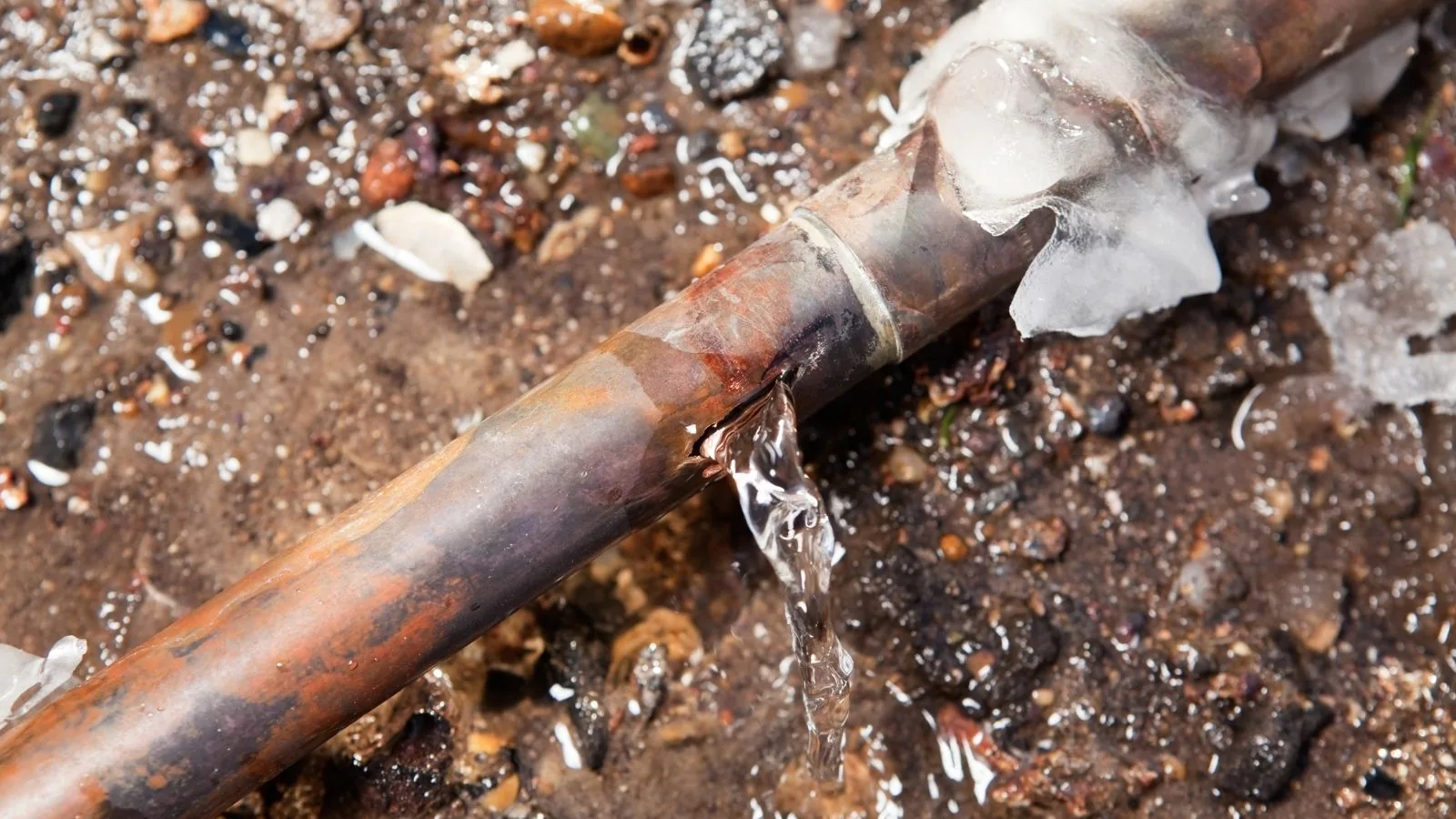
Standard homeowners policies often cover water damage that is sudden and accidental. A supply line that bursts overnight is the classic example, and the policy may pay for the resulting damage to walls, floors and belongings.
The same policies often exclude water that arrives slowly or from outside. A pipe that has dripped for months, rising groundwater and flooding from a creek or river commonly fall outside the standard coverage.
Where Coverage Usually Starts and Stops
| Type of loss | Often covered? | Why it matters |
|---|---|---|
| Burst supply line, sudden | Often yes | Sudden and accidental. |
| Appliance hose failure | Often yes | Sudden failure. |
| Slow leak over weeks | Often no | Gradual damage is commonly excluded. |
| Flood from rain or river | No, needs flood policy | Flood is excluded from standard policies. |
| Sewer or drain backup | Often no without endorsement | Backup is a separate coverage. |
These are patterns, not promises. Wording differs between carriers, and only your policy and your insurer can say what is covered.
Why Flood Is Different
The Oklahoma Insurance Department says flood damage is not covered by standard homeowners policies. Flood coverage is bought separately, often with a waiting period before it starts, so it cannot be added the day a storm is forecast.
If your home sits near a creek or river, the FEMA flood map for your address shows whether it is in a mapped flood zone. Ask your agent about a flood policy before storm season rather than after. Our flood damage restoration page explains what happens physically when surface water enters a building.
Sewer and Water Backup
The same department notes that most homeowners policies exclude sewer and water backup unless an endorsement adds it. That surprises many owners, because a backup through a basement drain feels like any other plumbing failure.
If you have a finished basement or a sump pump, ask your agent specifically whether a backup endorsement is on your policy. A line item for a few hundred dollars of added coverage can matter a lot when a drain backs up.
Local note: check three things this week
The Oklahoma Insurance Department's guidance points to three checks for any Rogers County homeowner: whether you have flood coverage, whether your policy includes sewer and water backup, and what your deductible is for water losses. Look at your declarations page and write the answers down.
What Insurers Look At After a Loss
An adjuster will ask when the damage started, what caused it and whether you acted to limit it. Taking reasonable steps to stop the water and dry the structure is generally expected of the policyholder, and a record of those steps helps.
That is where mitigation records come in. Moisture readings, photographs and a list of what was removed show the extent of the damage. If drying is needed, a company like ours can explain how our structural drying service documents readings from the first visit to the last.
Questions to Ask Your Agent Today
- Does my policy cover sudden water damage from a burst pipe or appliance?
- How does it treat leaks that go on for a long time?
- Do I have flood coverage, and what is the waiting period?
- Do I have a sewer and water backup endorsement?
- What is my deductible for water damage claims?
Nearby towns face the same questions. Homeowners in Oologah near the lake and in Catoosa near the Verdigris River corridor often have specific reasons to check flood coverage.
A Worked Example
Suppose a supply line to an upstairs bathroom splits on a Saturday night and runs until morning. Water reaches the ceiling below, soaks the hallway carpet and drips into a closet. That is a sudden, accidental loss of the kind many policies cover, subject to the deductible.
Now suppose the same hallway ceiling shows a stain that has grown slowly over a year, traced to a pinhole leak in a fitting. The damage is similar, but the cause is gradual, and many policies would treat it very differently.
Mistakes That Complicate Coverage
Some problems are self-inflicted. Waiting weeks to report a loss, tossing damaged items before photographing them and skipping repairs on a known leak can all give an insurer a reason to question a claim.
The better habit is to treat the first day as the most important one. Stop the water, call your agent and keep a simple log of what you did and when.
If your policy is renewed each year, reread the water damage section when the new papers arrive. Carriers sometimes change wording, limits and deductibles, and the change is easy to miss.
One More Habit Worth Starting
Once a year, photograph your home's main rooms and keep the pictures somewhere safe. A short video walk-through with notes on valuable items makes a later claim easier.
What to Do Before a Crew Arrives
These steps keep people safe and limit the loss while you wait. Do only what is safe, and skip any step that means standing in water near power.
- Stop the water at its source if you can reach the shutoff safely, and leave electrical panels alone if the floor around them is wet.
- Keep children and pets out of the wet area, since floors can be slick and standing water may carry contamination.
- Do not walk on a sagging ceiling or run a household vacuum on wet carpet.
- Move small valuables and papers to a dry room, and take photos of the damage before you move anything else.
What We Can and Cannot Tell You
We are a restoration company, not an insurer. We cannot say whether a particular claim will be paid, and we do not promise outcomes. What we can do is document the damage clearly and explain what the drying work involves so your carrier has the facts.
If water is in your home now, our water extraction service is the first step, and the dispatch line is open around the clock.
Frequently Asked Questions
Does homeowners insurance cover a pipe that bursts?
Often yes, when the burst is sudden and accidental. Check your policy for conditions and your deductible.
Is a slow leak covered?
Often not. Gradual damage is commonly excluded, so find and fix leaks promptly and keep maintenance records.
Is flood damage covered by homeowners insurance?
No, not by standard policies. Flood needs a separate policy that usually has a waiting period.
Does insurance cover sewer backup in Oklahoma?
Most policies exclude it unless an endorsement adds it. Ask your agent whether you have one.
Who can confirm whether my claim is covered?
Only your insurance company can. Call your agent or the claims line and ask in writing if possible.